

Early History of Council 10
In 1959 Henry Vargas was involved in the conception of organizing local Mexican Americans of Davenport with the hope of achieving much needed political strength through a united front. His brother Jesse persuaded the group to join forces with a group he was already affiliated with, the Scott County Young Democrats.
Shortly thereafter, Chai Vasquez, originally from Fort Madison, informed the group of LULAC and its purpose to improve the social and economic conditions of Hispanics. At a meeting organized by Vargas and Ernest Rodriguez, Vasquez introduced Jesse Mosquada of Des Moines to the group. Mosquada was the LULAC Regional Director at the time. As a result of that meeting, LULAC Council 10 was chartered on February 16, 1959.
At that time there were four other LULAC councils in the state of Iowa: Council 304 in Fort Madison the state’s first, Council 306 in Des Moines, Ladies’ Council 308 in West Des Moines, and Council 319 in Mason City.
Most of the original members of Council 10 were second generation Mexican Americans whose parents came to the area to work on the railroad or in foundries such as The Bettendorf Car Company. Some eventually found their way into manufacturing companies like International Harvester or John Deere.
Upon its formation, the council had an immediate impact on the community. From successfully representing Gilbert Fernandez, a local businessman involved in a dispute with the city, to raising funds for the Heart Foundation, to establishing a presence at City Hall and becoming familiar with the inner workings of the Davenport City Council and the Davenport School District.
In the early days Council 10 met wherever they could – at the YMCA, and long ago vanished taverns in the downtown area. In 1961 the council leased a storefront on Perry Street in downtown Davenport and opened an establishment known as The LULAC Club. Membership meetings and other council business as well as many social events were held there until 1969.
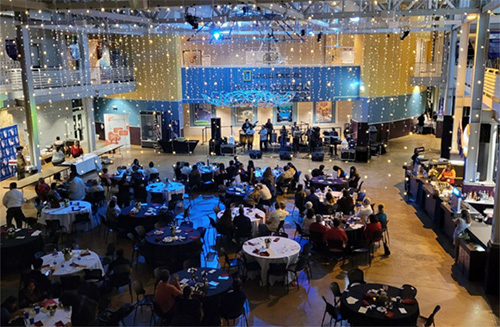
It was then that the council made the move to a location at the west end of Davenport. This property was acquired through a bidding process from the Davenport Community School District at a cost of $12,500. Over the years the building and grounds have seen many improvements at the hands of dedicated volunteers. The facility hosted countless dances, fundraisers, community events – and Bingo, which has been a steady mainstay of the council since shortly after it moved there in 1969. The staying power of the weekly bingo operation is owed largely to Salvador Lopez, who, incidentally, was a Council 10 co-founder in 1959. But he had plenty of help. His wife Joan, brother Adolph and many others provided steady support through the years with Bingo and the hall rental business. It should also be noted that Councils 10 is one of a very few councils within the LULAC organization that owns its own facility.
Throughout the 1970’s and 1980’s the council stood up time and again for La Causa de La Raza – the rally cry at the time. The Spanish Speaking Task Force in 1974, the Illinois Migrant Council, and the Grape Boycott Committee were but a few challenges where Council 10 made its presence felt. Long time member Rita Vargas has shared clear memories of being a part of the grape boycott march with her father Henry. “Some girls went to the movies or fishing with their father. I protested for equality with my Dad.”
Recent History
Turning the Corner
The last three decades of the 20th Century were a time when the members of Council 10 had an immeasurable impact on the Hispanic experience in the Quad-City area. But another challenge was looming on the council’s horizon. As the years wore on, those warriors who fought countless battles in the name of social justice for their Latino brothers and sisters were getting tired. And their numbers were dwindling. By 2008 the council was down to 46 members. Desperation was creeping into the organization. It was then that Salvador Lopez and his brother Adolph reached out to someone they knew they could trust.
The following year Michael Reyes was elected president of the council and one thing immediately began to change. There came to be a glimmer of hope among the seasoned veterans. Admittedly, tangible differences took a little longer. With the arrival of the fresh outlook that Reyes provided, came three pivotal developments:
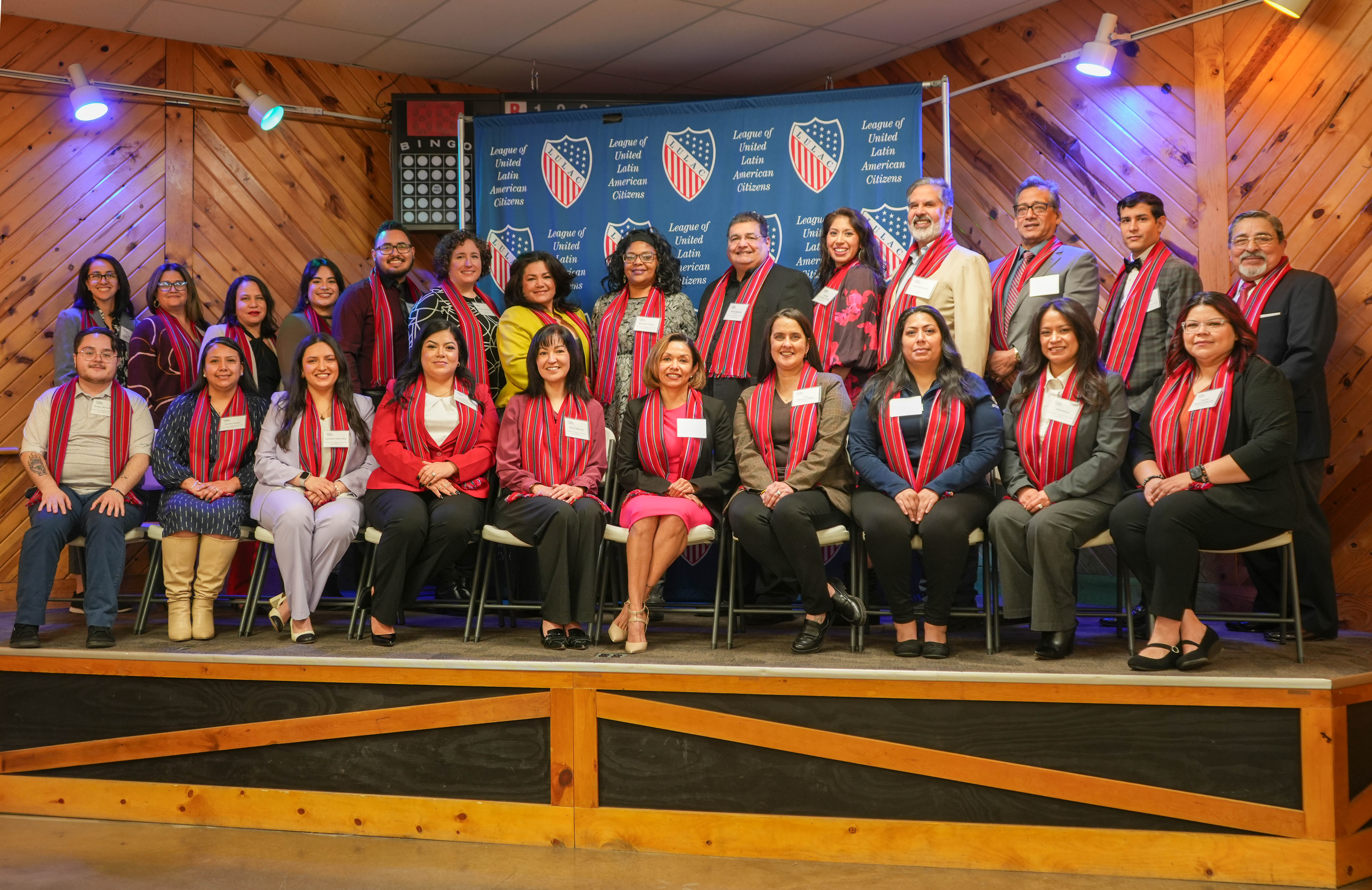
1) New members began to trickle in. From there, active membership recruitment became a thing. By 2013, LULAC 10 had 165 active members. Soon thereafter, the council was acknowledged as the largest council within the entire National LULAC organization. Additionally, the council also includes a number of corporate members within its ranks.
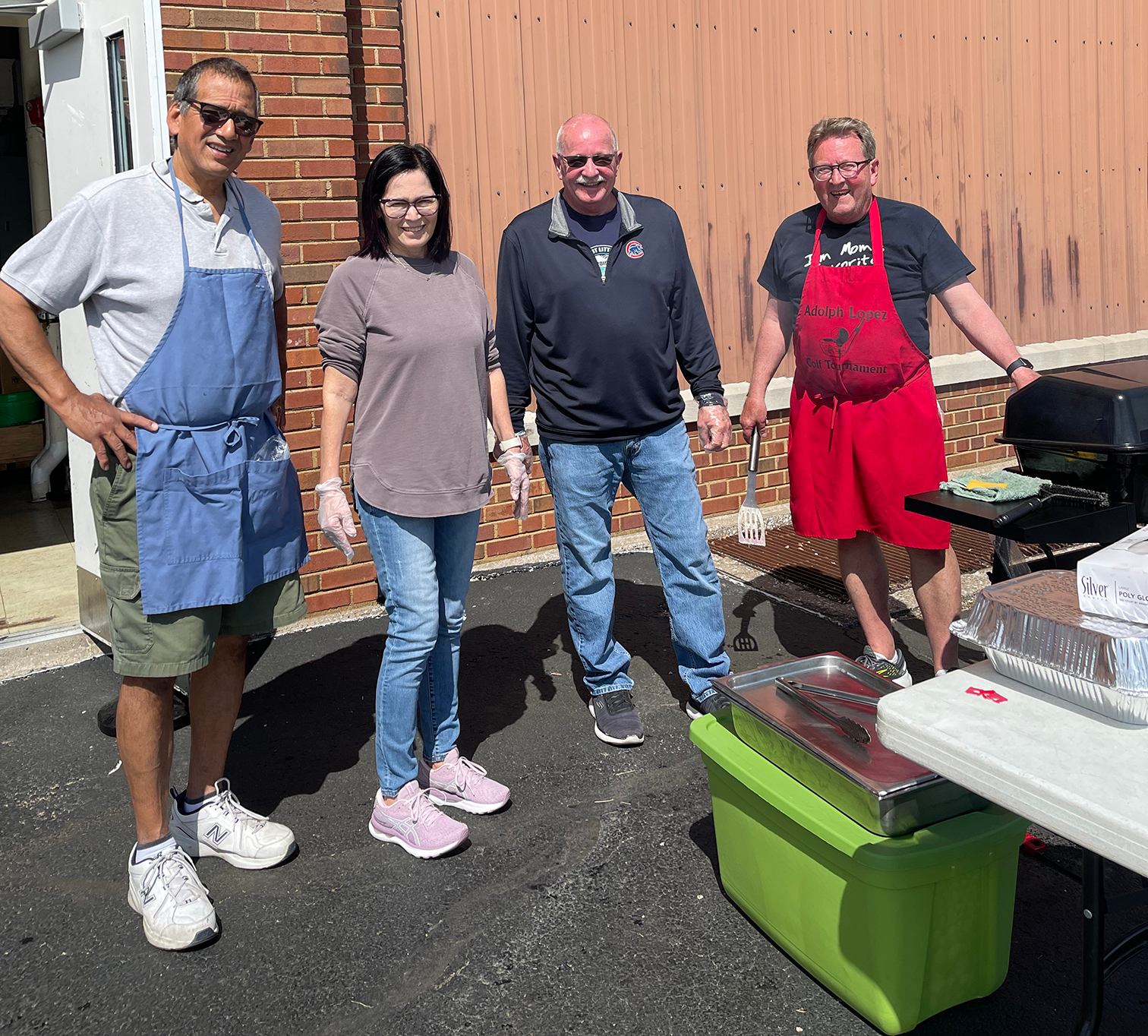
2) The Scholarship Program needed a boost of energy. The invigorated new membership helped Reyes invent new ways, along with traditional methods to raise money. The Annual Adolph Lopez Memorial Golf Outing along with Bingo are key fund raisers for scholarship dollars. Because of those and other funding sources the overall amount awarded to deserving college bound and underclass students has increased by 500% since 2007. Since 2016 the council was awarding a minimum of $30,000 in scholarship dollars every year.
3) Funding was needed for overdue building improvements. Reyes responded by learning the ropes of applying for grant money, primarily from the RDA and the SCRA. Improvements to the LULAC facility followed shortly thereafter. It took a few years but the end product of countless hours of beating the bushes for funding became the LULAC Center as it is known today.
Michael Reyes was not born with the skillset of running a non-profit organization. There was much on-the-job training involved. And there were plenty of bumps and bruises along the way. Reyes would be the first to mention that the rejuvenation of LULAC 10 was not done without a cohesive team effort. Since 2010 there have been a legion of individuals who played critical roles.
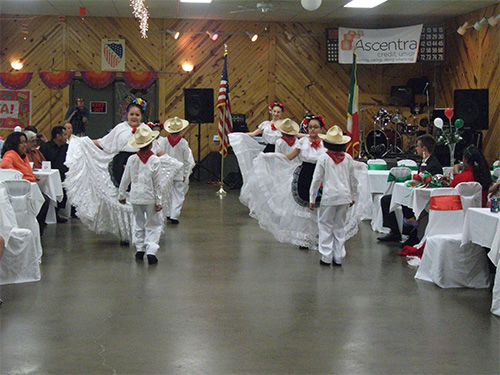
As the council grew, it got better at assuming the vital role of community advocate. The council got involved with the Davenport Community School District. The primary focus was on Title 1 schools and their high student eligibility for free or reduced lunch. And Project Renewal, a before and after school care program for inner-city students has received several thousand dollars from the council over the years. Support for groups like Ballet Folklorico and the Glenview Mariachi band help to keep Hispanic culture relevant among area Latino families. Those are only a few examples of the philanthropic activity spirited by LULAC 10.
Council 10 continues to address the growing needs of at-risk migrant families.
- In 2009, the council, in collaboration with Quad-City Interfaith rushed to the aid of migrant families in Postville, Iowa. The breadwinner of many of those families were incarcerated and deported, leaving defenseless wives and children behind. Clothing, food, and money were taken to the affected families.
- Since the advent of COVID, Council 10 has been heavily involved in relief programs in the Columbus Junction area. Those efforts include 15 vaccination clinics, reacting to food insecurities with food drives and basket distribution events, and the establishment of a food pantry in Columbus Junction. There have also been provisions made for COVID education, nutrition classes, and support for the Columbus Junction school and library.
As for the future of LULAC Council 10, its path will be determined by vision and dedication. A priority of the organization is to have a solid non-profit business foundation in place to facilitate strong and creative next generation leadership.